


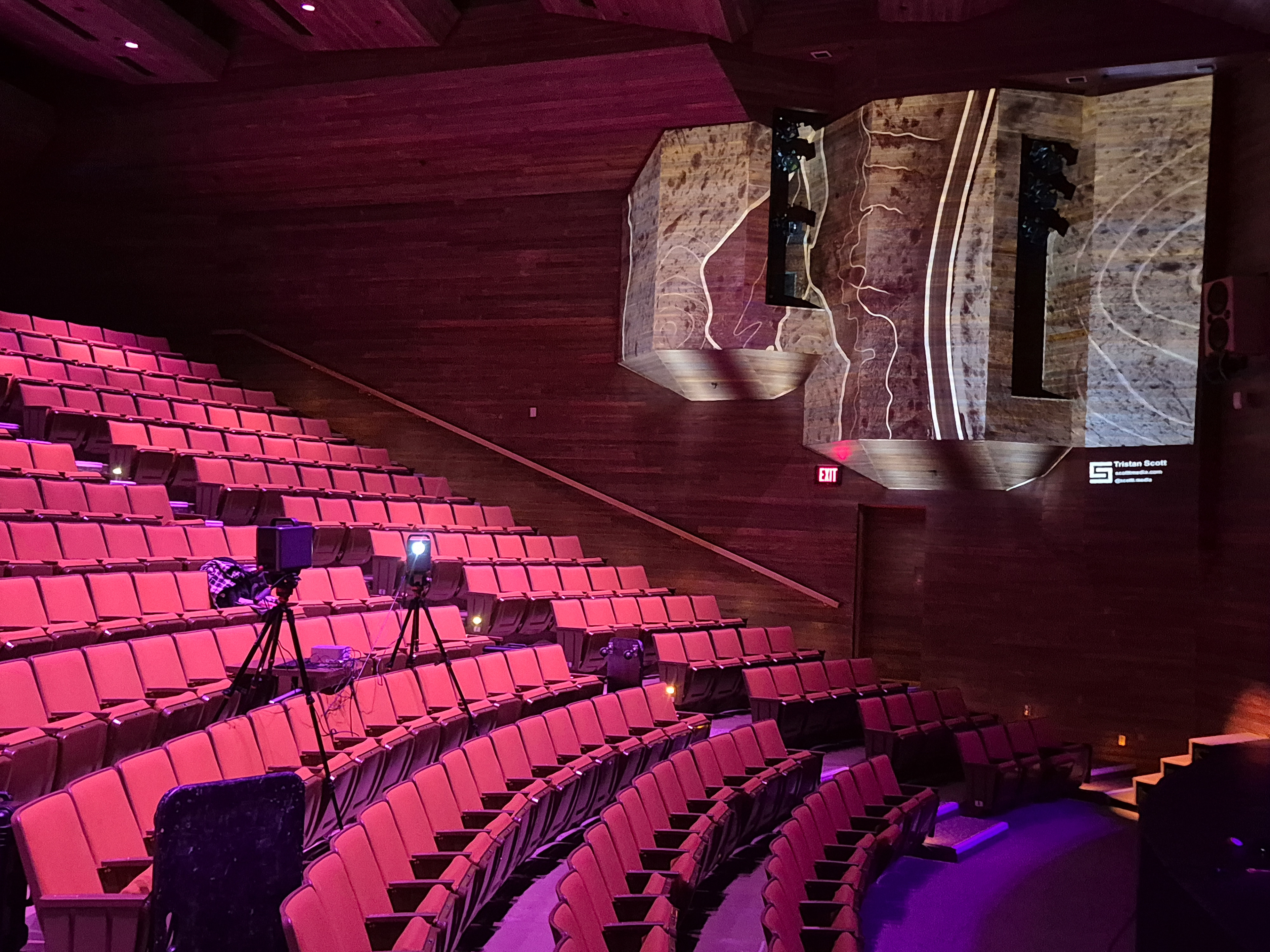
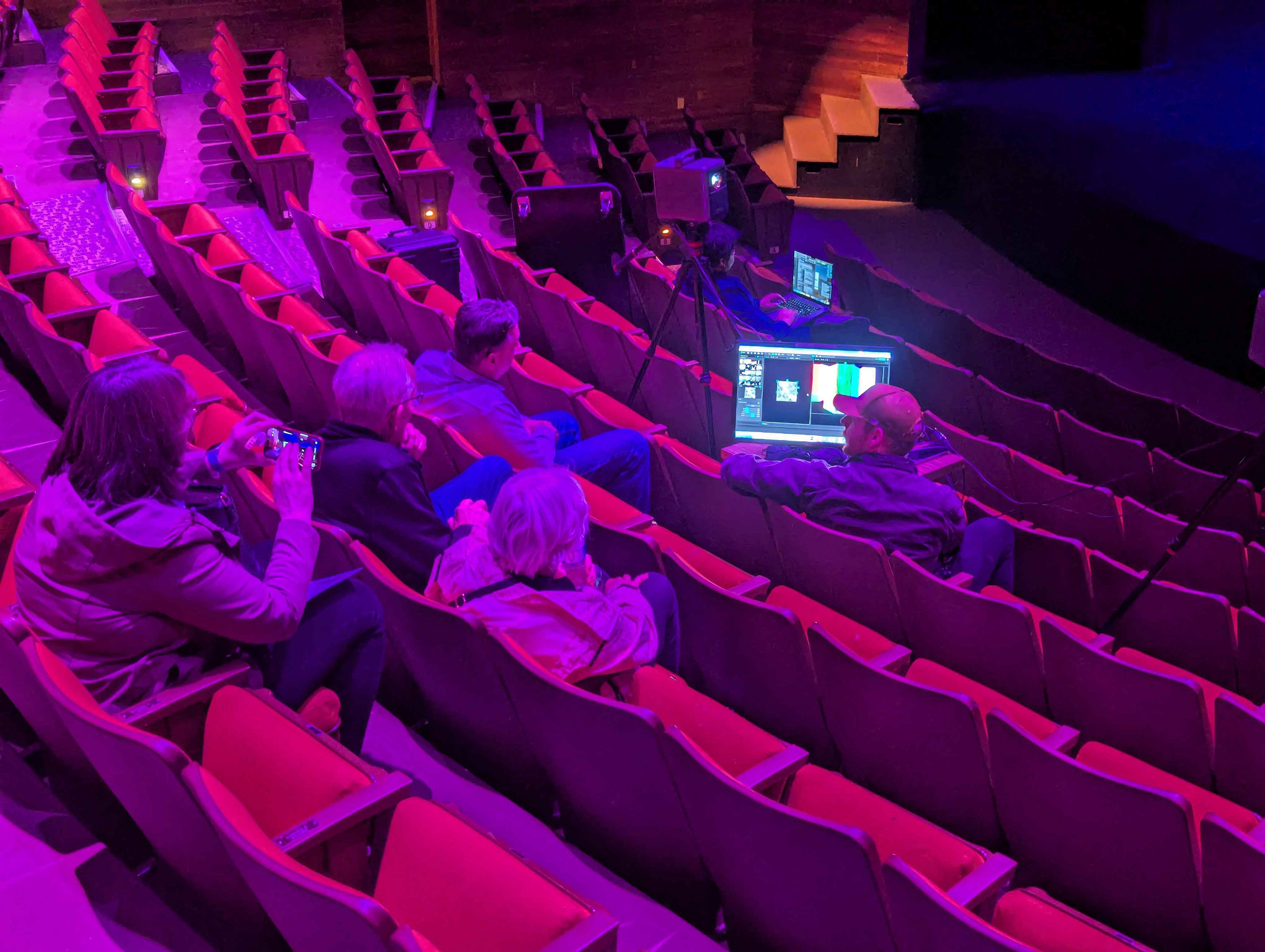
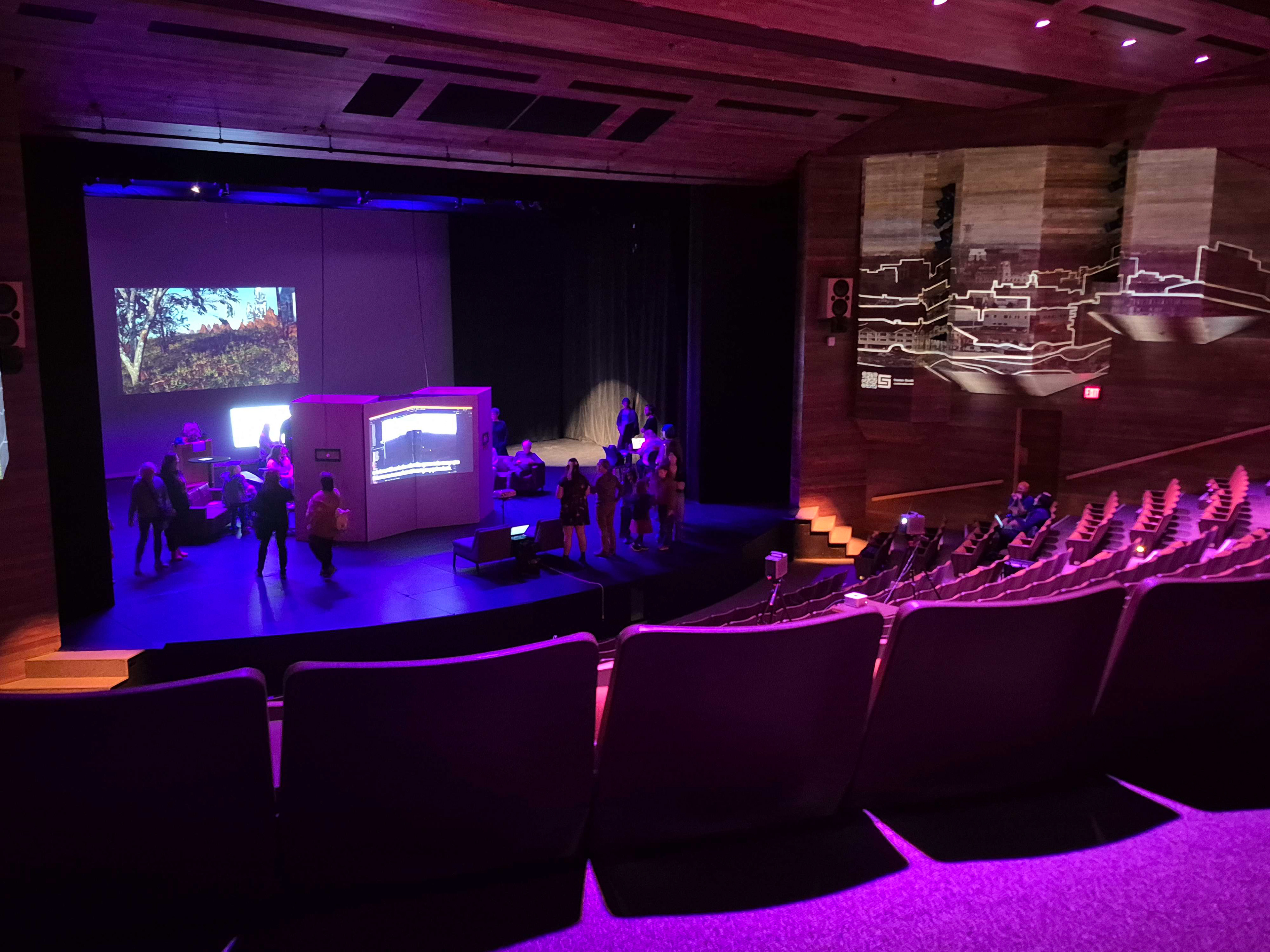
This projection-mapping installation was designed for the alcove sections of the University of Lethbridge Theatre; it was part of a larger exhibition of senior New Media students created for Vibe Fest 2026.
Projection mapping is a technique in which video is projected onto a specific surface, such as a sculpture, building, or even a painting, to bring it to life. Digital animations and other imagery are created with respect to the shapes, planes, and contours of the architecture being projected onto. Unlike a simple rectangular projection, like a movie screen, projection mapping allows visuals to interact with the space itself. Architectural features can appear to move, glow, transform, or otherwise influence the content in new and interesting ways. Because every building or room is unique, projection-mapping projects must be carefully designed for the specific space, making the process both creatively exciting and technically challenging.
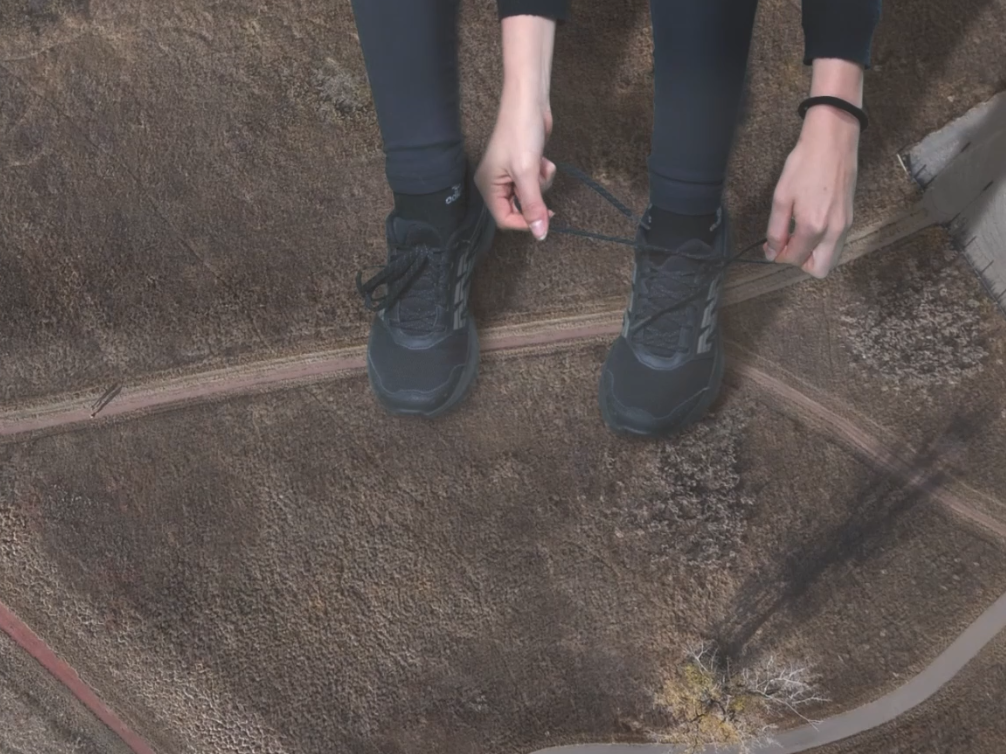
Aerial videography was a major focus of this project and helped me better understand landscape and architectural photography, while also letting me scratch the itch to get flights in. I love to fly, moving through the air and observing the world from above is an incredible experience. It offers a unique sense of freedom that no other form quite provides, even if you're not actually up there. The animations you see come from my own aerial videography of the Lethbridge area. By filming landscapes from above with a drone, I captured patterns in the land and architecture that are typically unseen from our perspective on the ground. As you watch, you’ll notice dynamic linework highlighting shapes, textures, and compositionally significant or interesting elements, creating an artwork that layers with the photo. I found it interesting how it almost captures the land's essence or signature.
Because the alcoves are located above the stairs on either side of the auditorium, viewers experience the projections from multiple perspectives. Walking beneath one alcove, they see parts of the animation and video up close, with the perspective shifted by the architectural form of the theatre walls. Looking across to the opposite side, they see a fuller view. This interplay further communicated the idea of movement and observation that inspired this work, encouraging viewers to notice details and patterns that change depending on their position and unique perspective.
This project allowed me to develop my aerial cinematography skills while experimenting with transforming that footage into expressive, abstract visuals. Working with projection mapping also gave me the opportunity to bring those visuals into a large physical space, which came with its own challenges and lessons. I had to consider setup, timing, and how viewers move through the room, as well as how my work interacts with my colleagues’, creating a cohesive experience. This work matters to me because it allowed me to bring my perspective, curiosity, passion, and craft together in a space people can move through and experience. It was a great experience to explore the unseen patterns of the world around me and share that sense of discovery with others.
Full loop of the Master Video
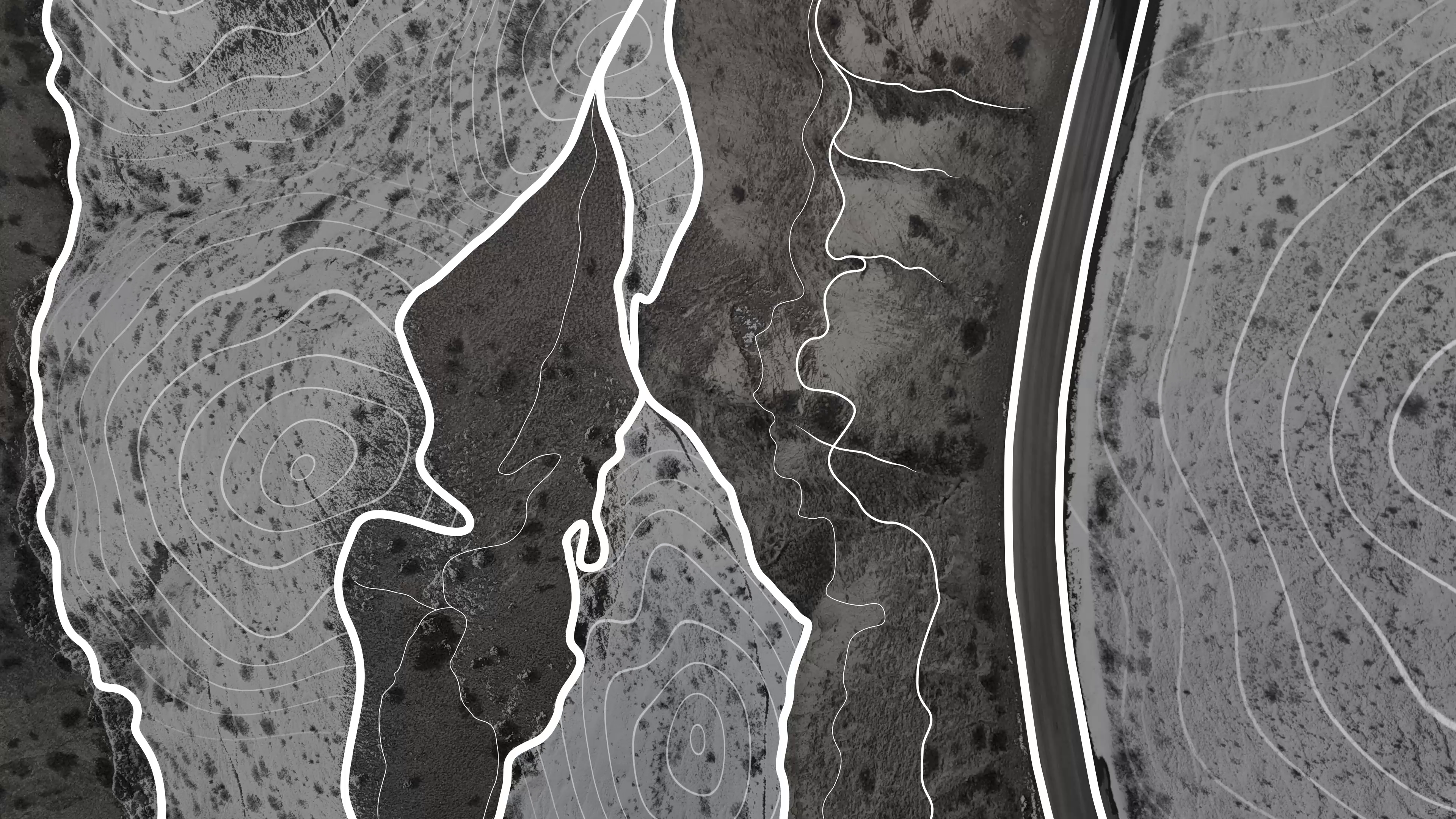
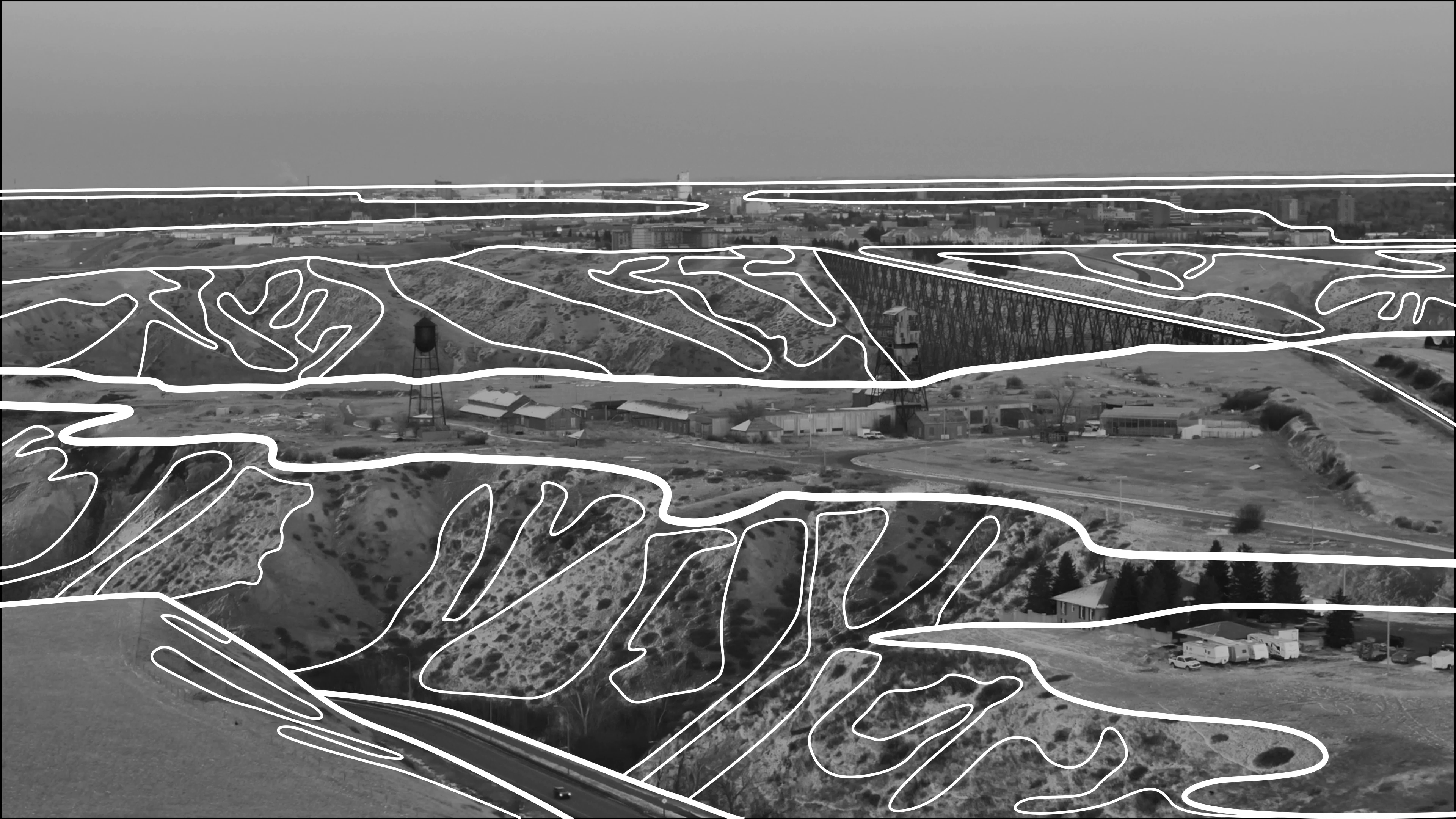
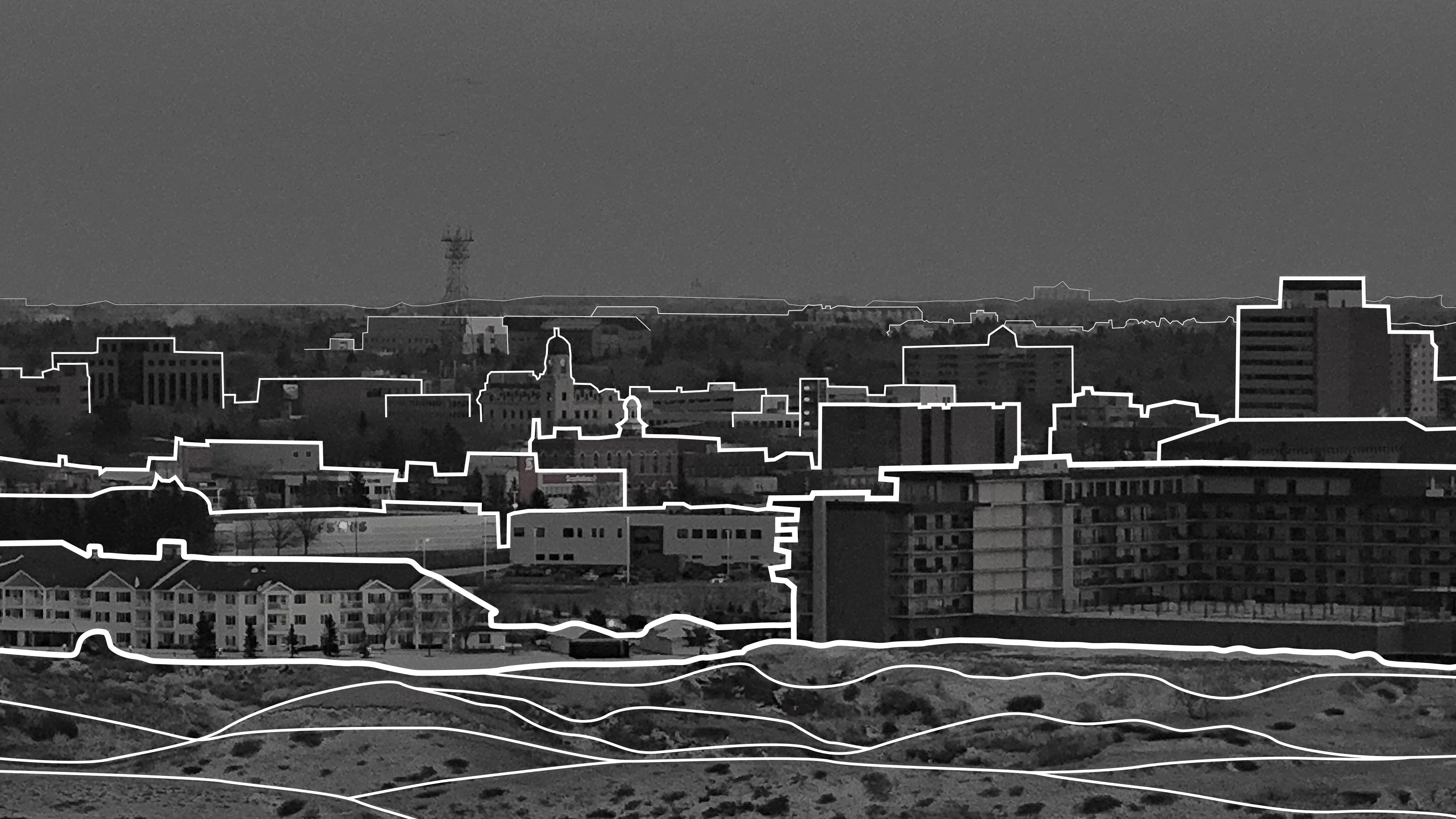
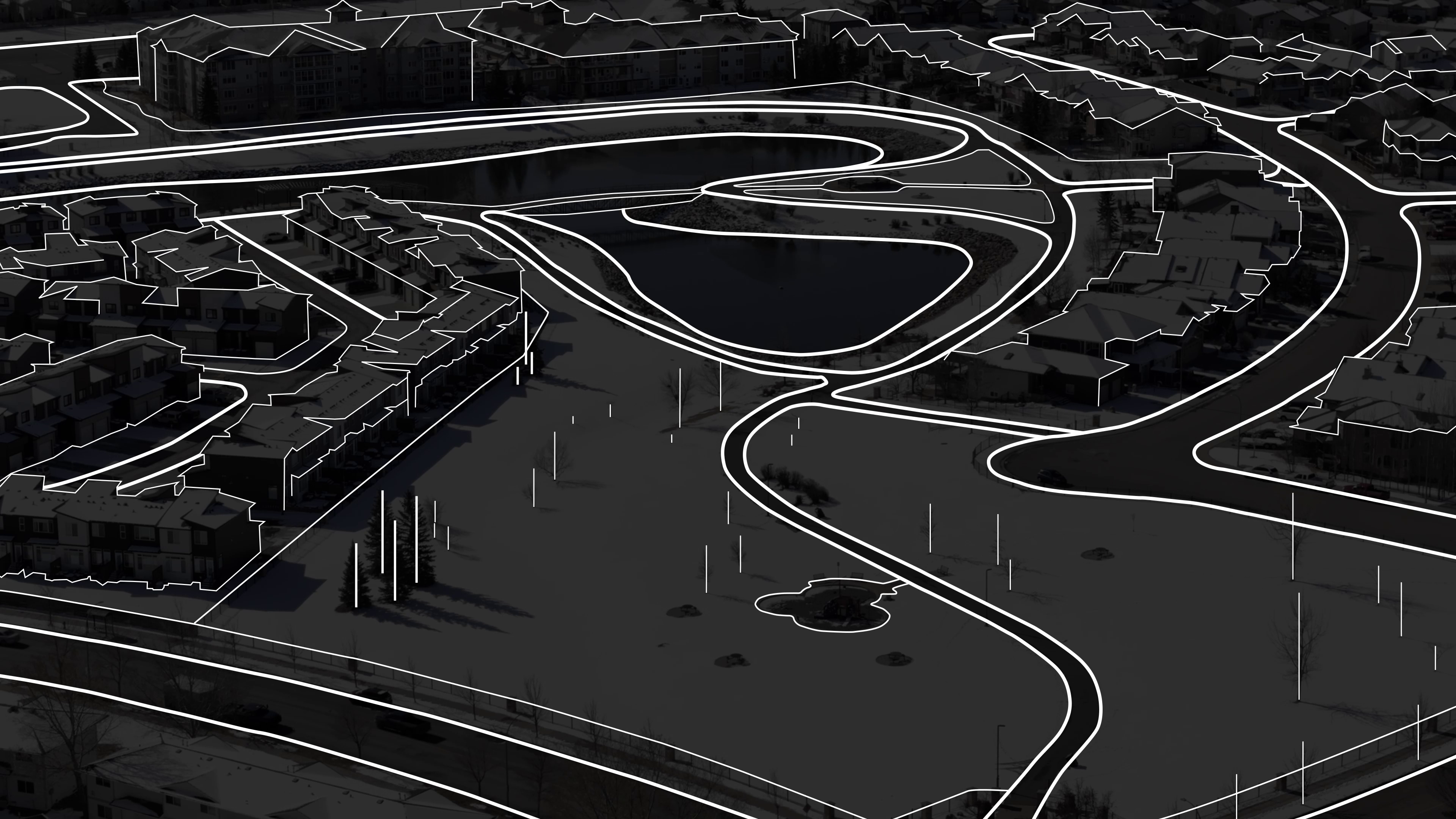
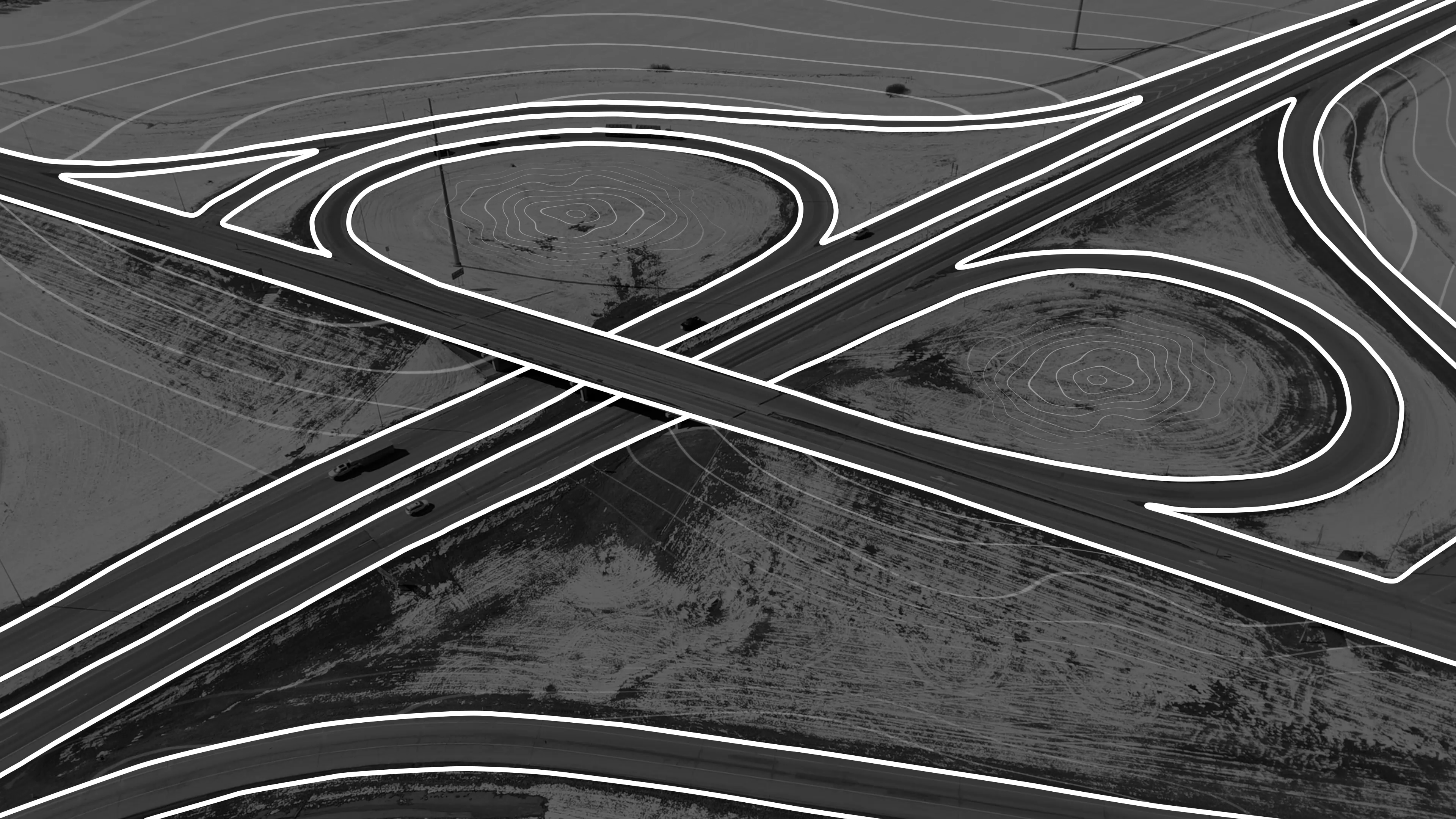
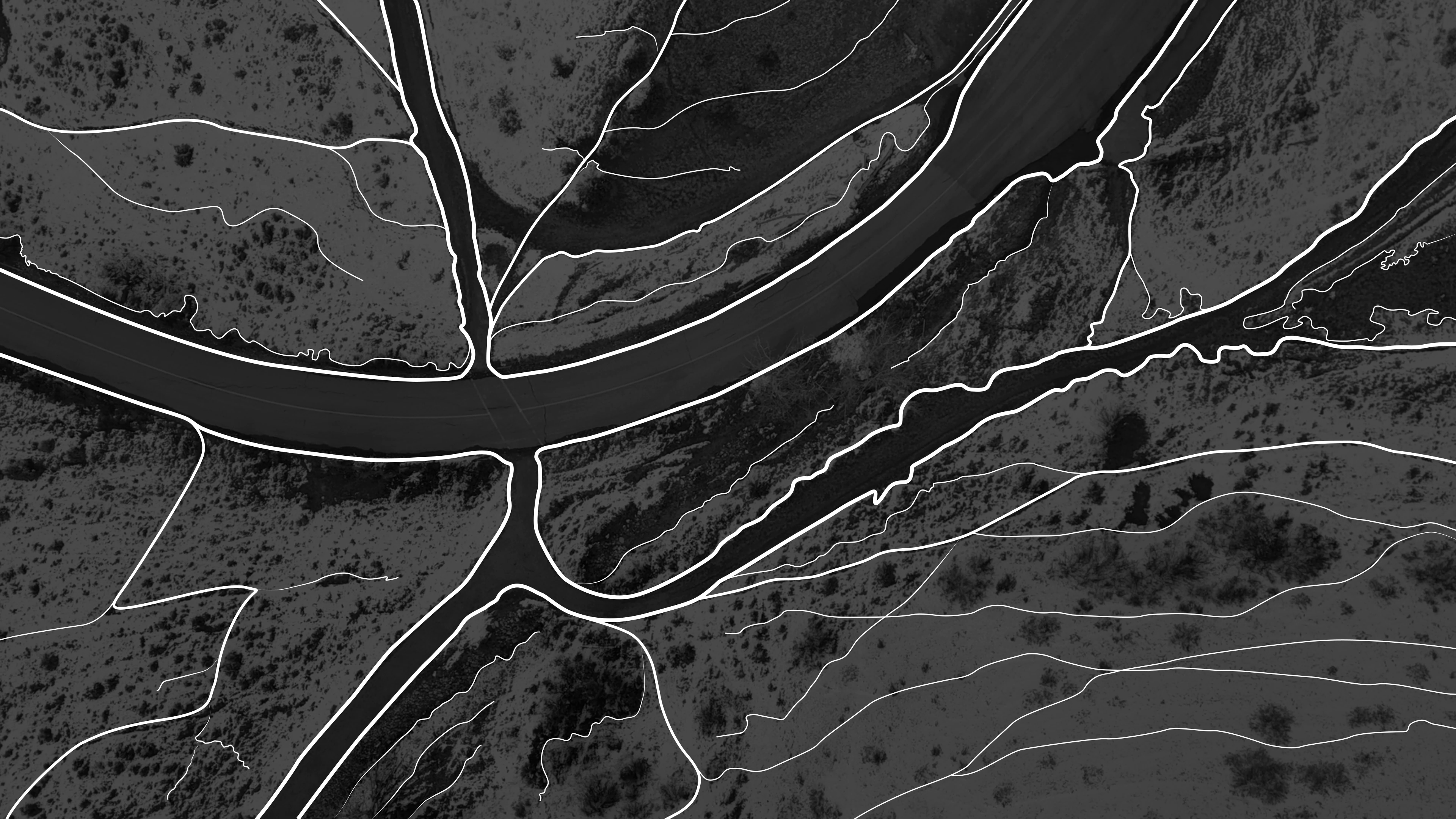
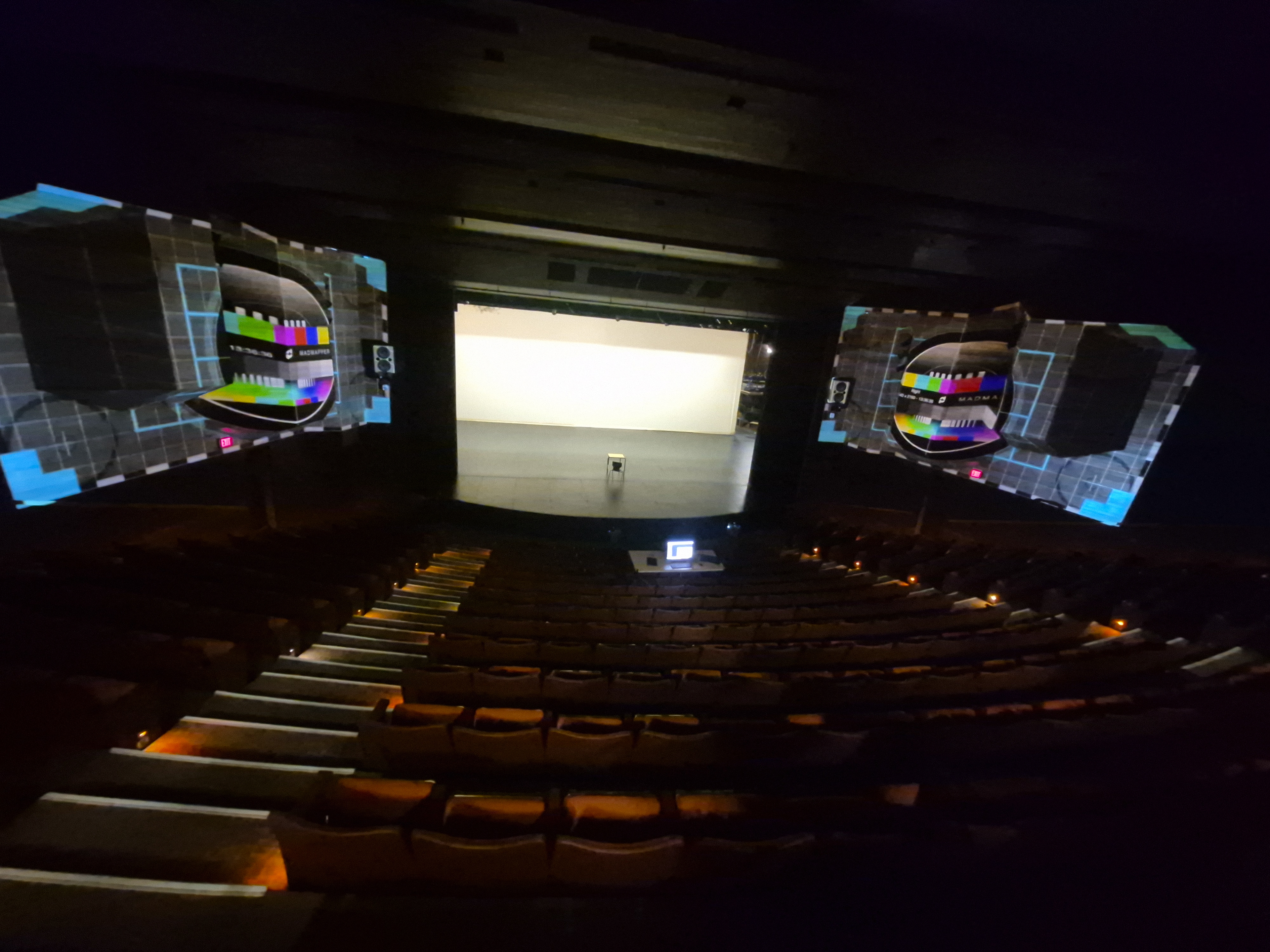
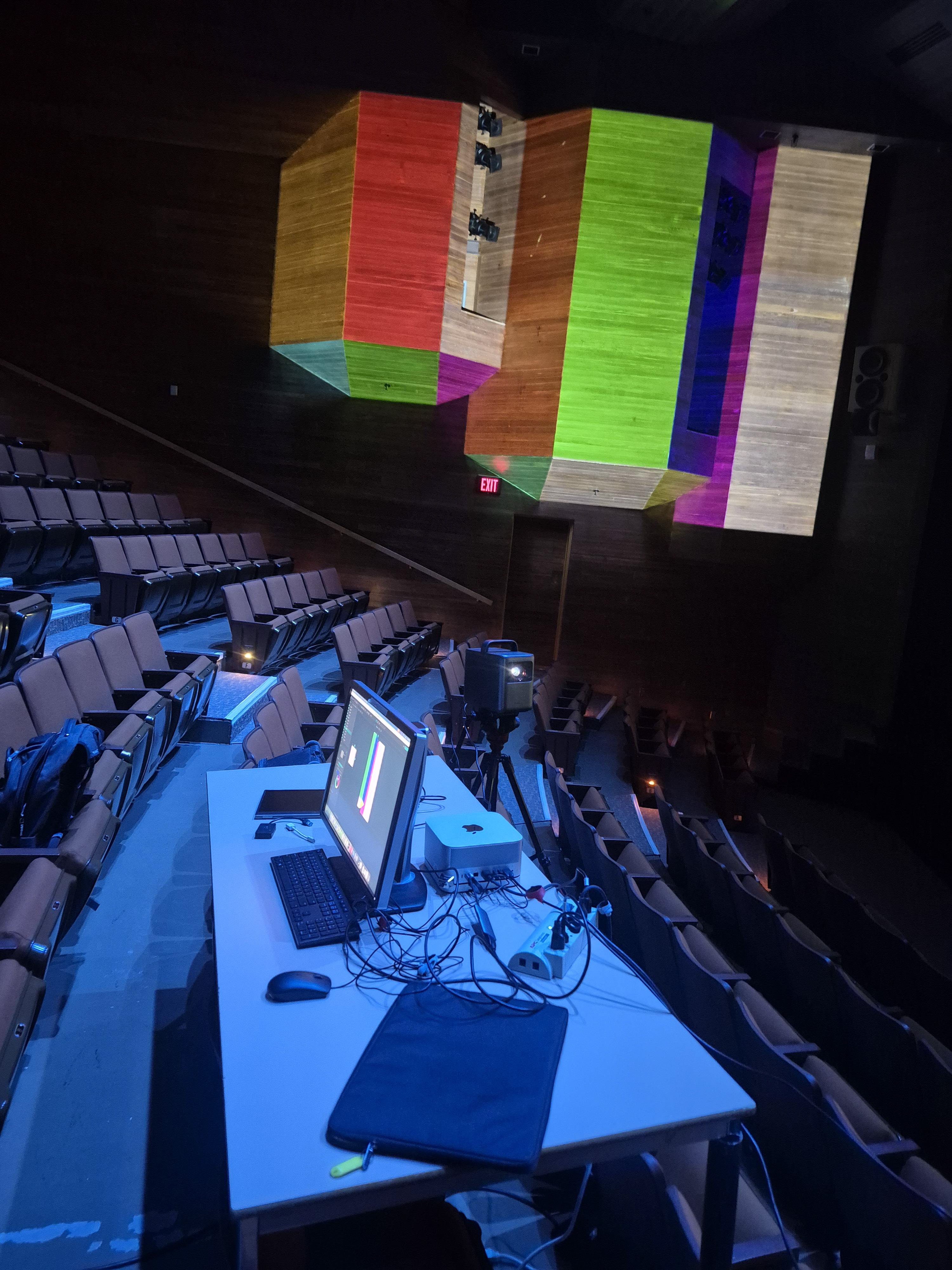
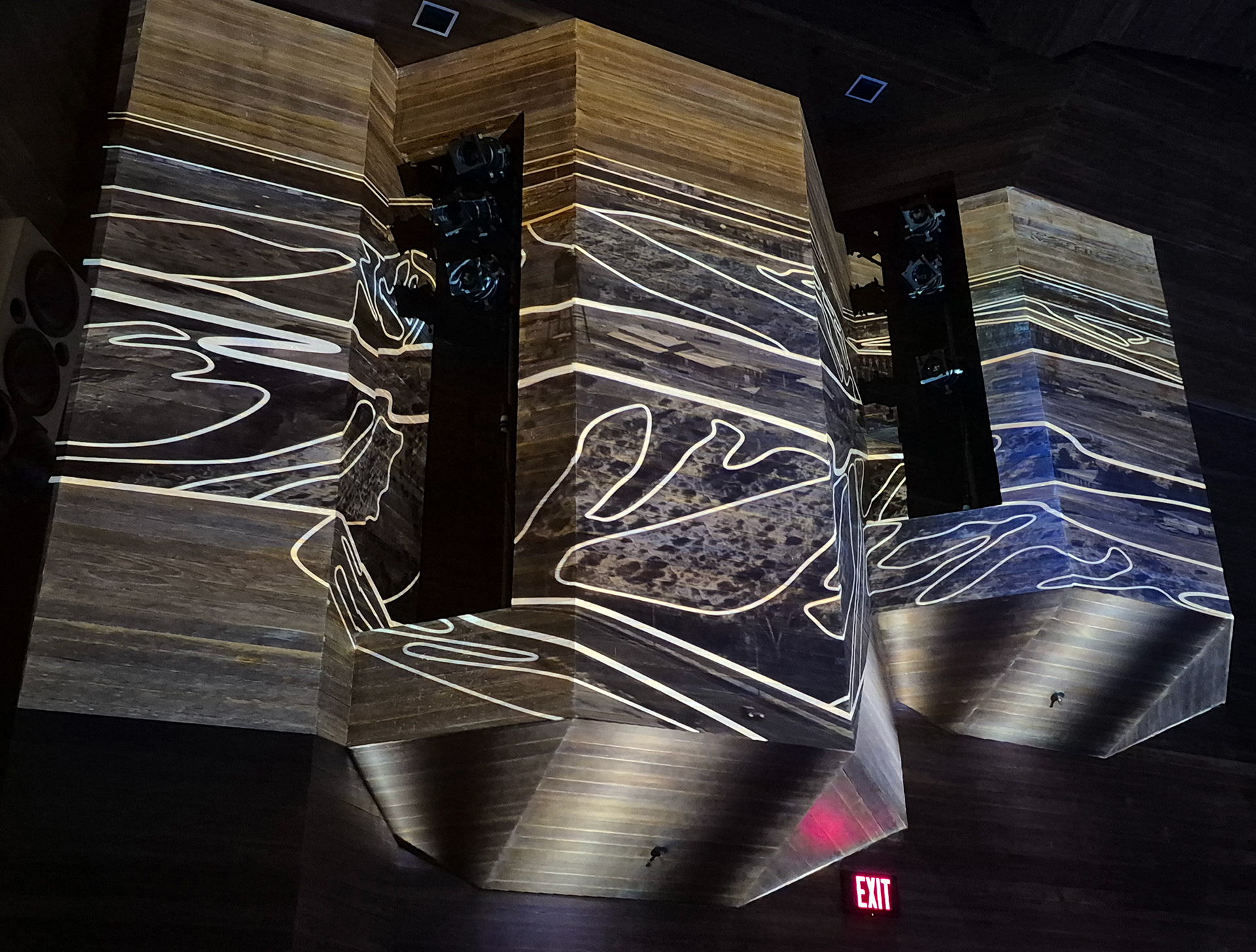
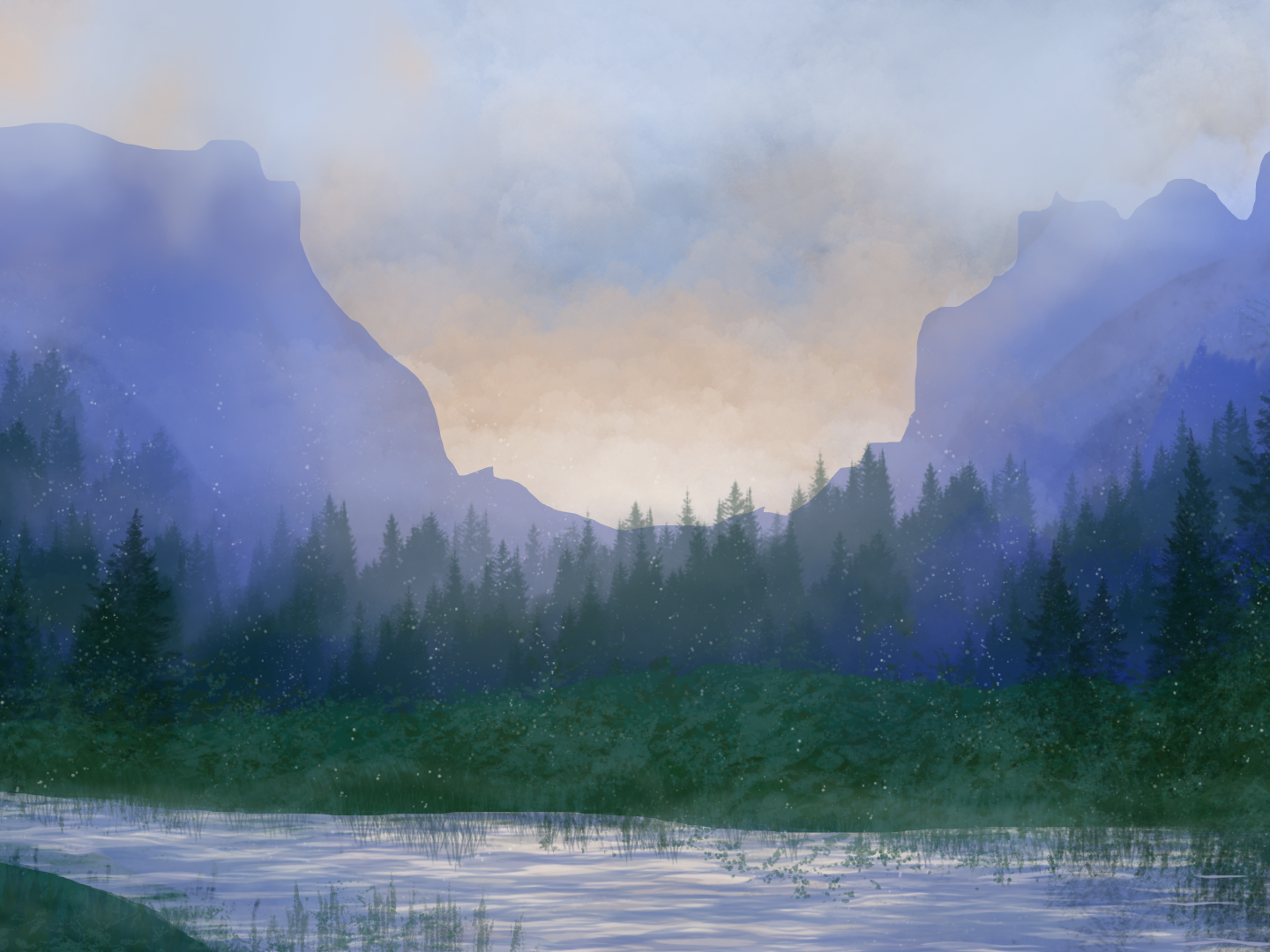
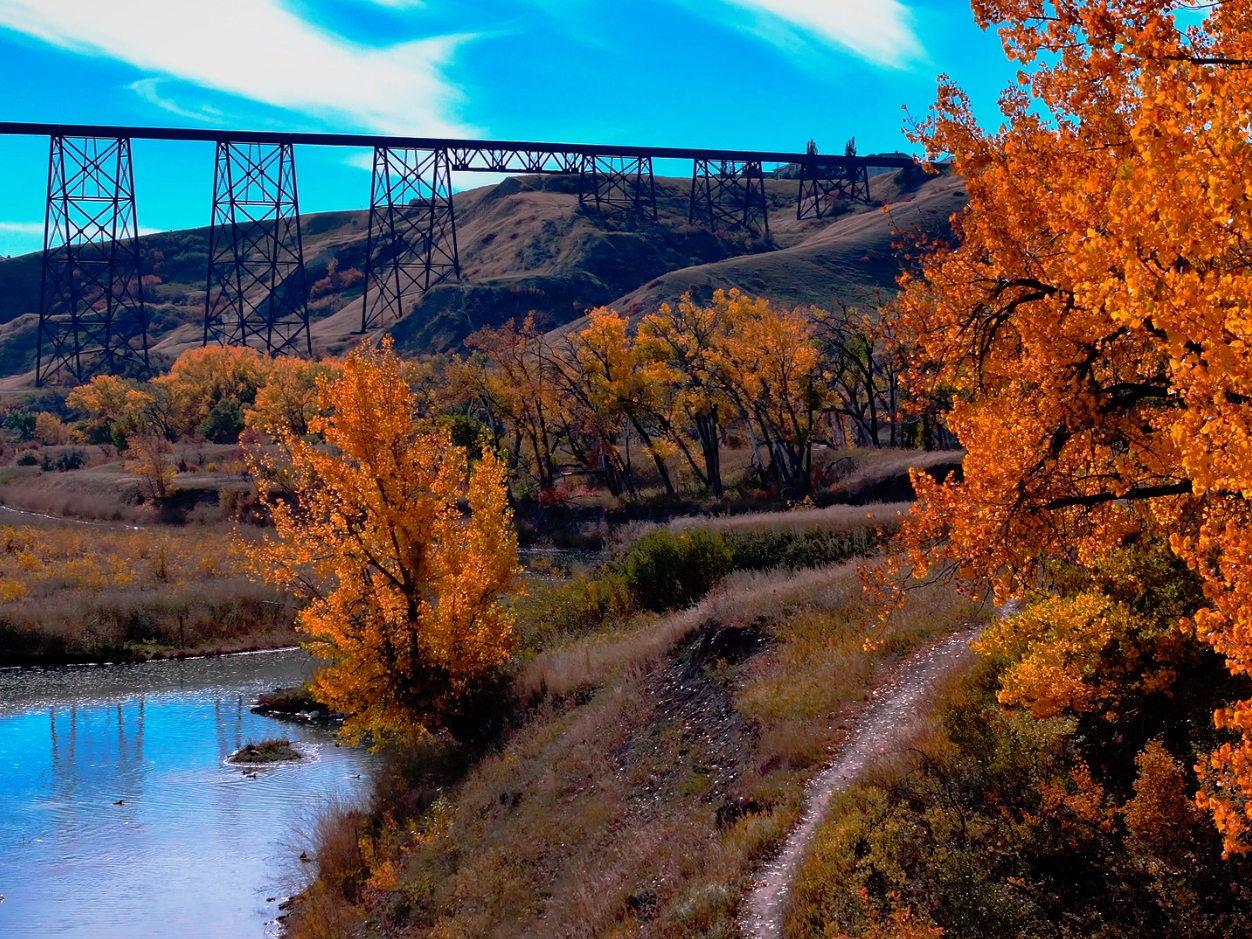
Stills of a few of the aerial compositions post-animation.
Some behind the scenes initial ideation, experimentation, and eventual animation workflow.